What is a Webinar?
A webinar is an online presentation delivered to an audience, either live or recorded. It typically combines a speaker, slides, and some form of audience interaction like chat, polls, or Q&A. B2B teams use webinars to teach a topic, demo a product, or move prospects through the buying process, all at a scale that in-person events cannot match.
Webinars come in several formats. A live webinar happens in real time, an on-demand webinar is pre-recorded and watched anytime, and a simulive session plays a recording at a scheduled time with live chat. The format you pick depends on your goal, your audience, and how much time your team can give.
Key characteristics
- Online and scalable: It reaches a large audience without travel or a venue.
- Speaker-led: One or more presenters deliver content, usually with slides.
- Interactive: Chat, polls, and Q&A turn viewers into participants.
- Recordable: Every session can be captured and reused well beyond the live date.
Why a Webinar Matters for B2B Marketers in 2026
Webinars are one of the few formats that combine reach, depth, and lead capture in a single event. A prospect who gives you 45 minutes of attention is far warmer than one who skims a blog post. And because every session is recordable, a single webinar can fuel weeks of content - which is where much of its real value lives, long after the live hour ends.
Problems it solves
- Builds trust at scale: Live teaching earns more credibility than written content alone.
- Captures qualified leads: Registration and attendance signal real interest in your topic.
- Creates reusable assets: One recording becomes clips, posts, and articles for weeks.
Real-World Examples
Educational webinar
A team runs an educational webinar on an industry trend to build authority, then repurposes it into a content series for content teams.
Product demo
A SaaS company hosts a live demo for trial users, answering questions in real time to push more accounts toward upgrading.
Evergreen lead engine
A recorded webinar runs on demand behind a sign-up form, capturing leads month after month with no live presenting required.
How RepurposeYourContent Makes Webinar Easy & Fast
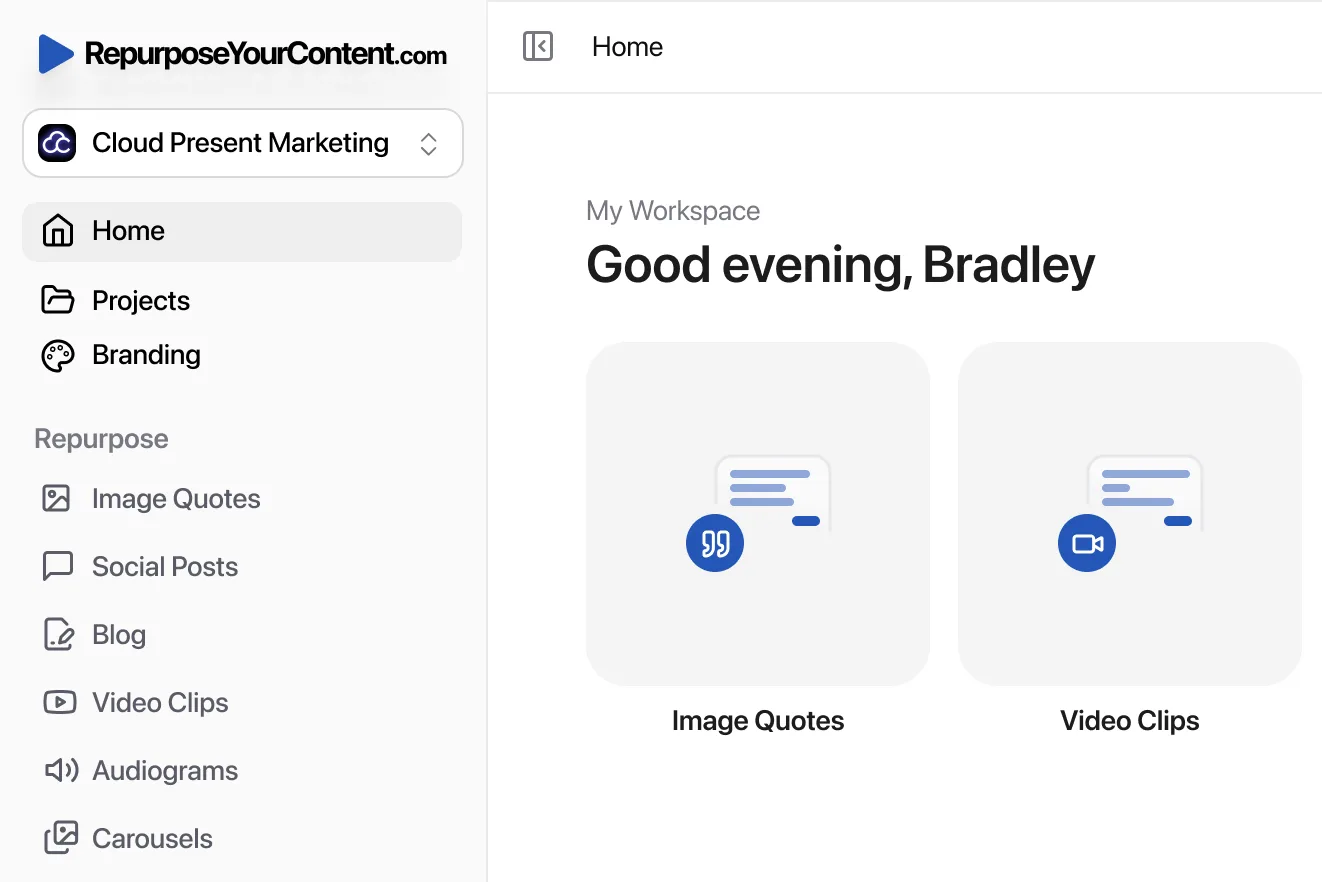
Running a webinar is real work, and watching it disappear after the live hour wastes most of that effort. We make sure one session keeps paying off by turning it into 20 to 30 pieces of content across formats.
- Record your webinar - Run any format - live, on-demand, or simulive - and capture it.
- Upload the recording - Send us the file and our editors take over.
- Get a content batch - Receive clips, social posts, quote cards, and an article.
- Distribute everywhere - Schedule the pieces across social, email, and your blog.
- Repeat each session - Every webinar adds another batch to your content engine.
One webinar becomes a month of content instead of a single event. See the formats on the video clips page or view pricing.
Webinar vs Related Concepts
| Concept | What it means | How it differs |
|---|---|---|
| Webinar | A live or recorded online presentation for an audience. | The pillar format that all other terms describe parts of. |
| Live webinar | A webinar presented in real time. | One format of webinar, defined by its real-time delivery. |
| On-demand webinar | A recorded webinar watched anytime. | A format with no fixed time and no live interaction. |
| Virtual event | A larger online event with multiple sessions. | Broader in scope; a webinar can be one part of it. |
Frequently Asked Questions
A webinar is interactive, with chat, polls, and Q&A between presenter and audience. A webcast is usually one-way broadcasting to a large audience with little or no interaction, more like online TV than a conversation.
Most B2B webinars run 45 to 60 minutes, leaving room for content plus Q&A. Shorter sessions can work for a single tight topic, but plan the length around your material rather than a fixed clock.
Each has strengths. Live webinars create urgency and real-time interaction, while recorded and on-demand formats offer flexibility and run on autopilot. Many teams use both, often turning a strong live session into an evergreen asset afterward.
Registration captures contact details, and attendance signals genuine interest in your topic. Combined with reminder emails, replays, and follow-up sequences, a webinar moves qualified prospects through the funnel toward a sale.
A recording can become clips, social posts, quote cards, audiograms, and a written article. Repurposing one session into many assets is where most of a webinar's long-term value comes from.